
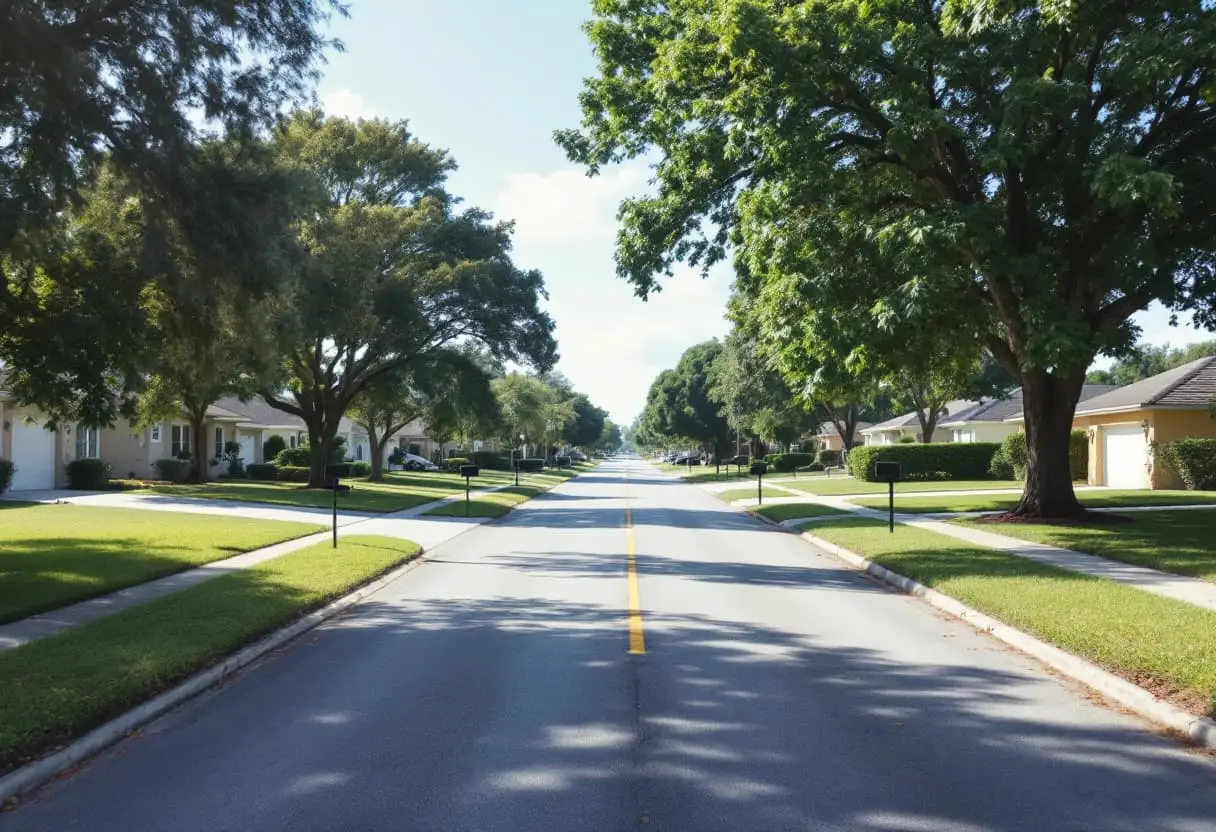
One of Broward’s earliest nanofiltration plants
The city has treated its own water this way since the 1990s, well ahead of most neighboring utilities, which changes the mineral load a water heater or a fixture here is actually exposed to.
Inside the closer half of our coverage
Plantation has run its own nanofiltration water plant since the 1990s, one of the earliest in this part of Broward, over housing that spans a 1950s core to 2000s equestrian acreage out west. Both shape how a call here plays out.
What actually changes about a plumbing job once it’s inside Plantation?
Mostly the water itself and the age of what it runs through. The City of Plantation has operated its own nanofiltration treatment plant since the 1990s, an advanced membrane process most Broward utilities didn’t adopt until years later, and the western and border edges of the city instead draw from Broward County’s separate system. That distinction changes what we expect a water heater or a fixture to be dealing with before we ever look at it.
Plantation traces back to a 1931 land purchase along what became State Road 7, and its residential core grew mostly through the 1950s to the 1980s, well before the newer subdivisions and equestrian-zoned acreage out toward the western edge. Older sections near that original corridor are the ones most likely to still carry supply line from before repiping became routine, so build era is one of the first things dispatch asks about.
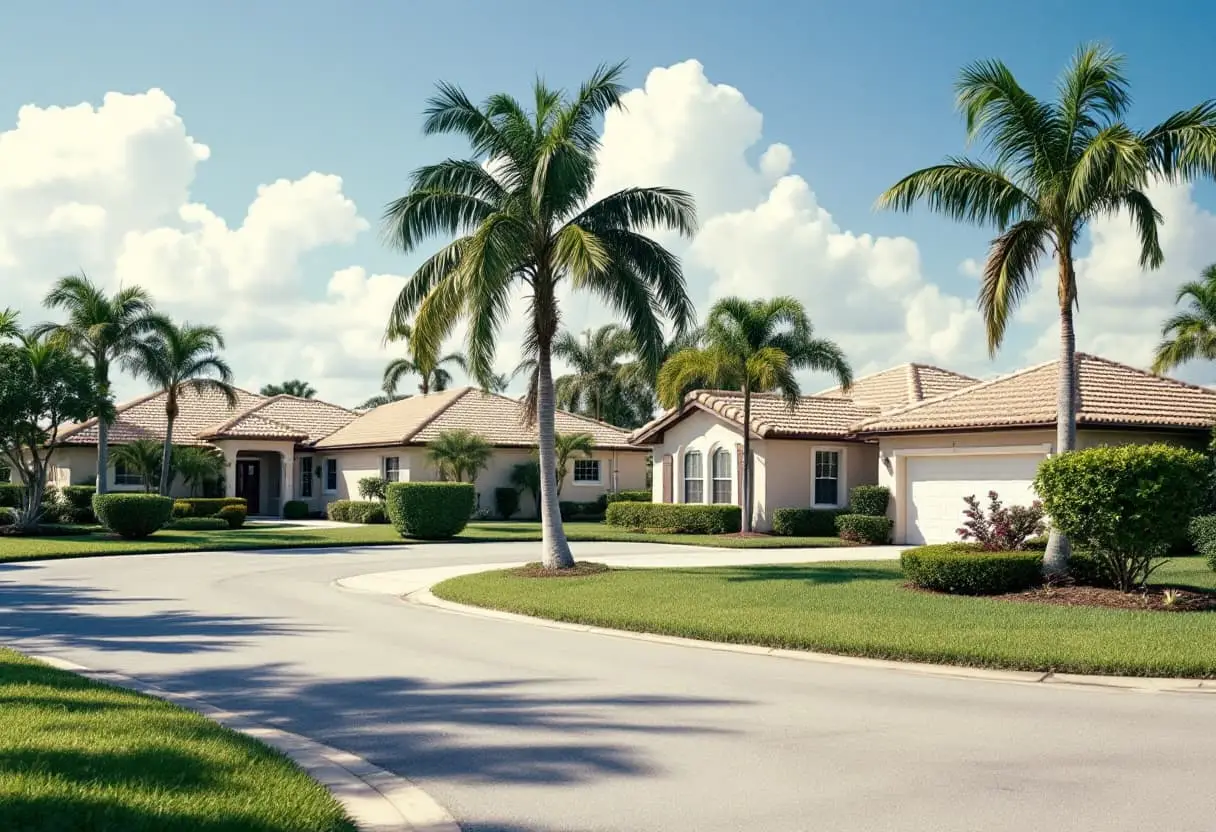
Fig. A tree-lined suburban street with tile-roofed single-family homes and a landscaped median
PLANTATION, SPECIFICALLY
A few specifics that change how a Plantation estimate gets written.
The city has treated its own water this way since the 1990s, well ahead of most neighboring utilities, which changes the mineral load a water heater or a fixture here is actually exposed to.
Streets closer to the city’s founding-era development along the old State Road 7 corridor are more likely to still hold original supply pipe than the newer subdivisions further out.
Large-lot properties toward the far west carry a different scope entirely, from longer supply runs to irrigation systems that a typical inner-city lot never needs.
Sections we already know
Three sections whose own history shapes what we expect to find.
A community dating to 1972, squarely inside the era when copper largely replaced galvanized supply line as the local standard.
Homes built up around the city’s 77-acre recreation complex, several subdivisions from the same early-1970s wave as Jacaranda nearby.
Large equestrian-zoned lots in the northwest, between Flamingo and Hiatus, where irrigation and longer supply runs are the norm rather than the exception.
Who to know
Who signs off, and which utility actually treats the water on your street.
Questions we get in Plantation
Both, depending on the address. Most of the city runs on the city’s own nanofiltration plant, in place since the 1990s, while streets near the western and county edges draw from Broward County’s system instead.
It depends heavily on the section. Streets nearer the city’s original 1950s-1980s core are more likely to hold original supply line than the newer, equestrian-zoned acreage further west.
The scope tends to be larger. Big lots often mean longer supply runs and an irrigation system to account for, which changes the estimate before any indoor work is even discussed.
The City of Plantation Building Department does, and we pull whatever it requires as part of the job rather than handing you a stack of forms.
It generally means less mineral scale builds up over the same stretch of years compared to an untreated groundwater feed, though the water heater’s own age still matters more than the source alone.
Yes, on the same schedule as the rest of our coverage area, including nights, weekends, and holidays.
RELATED
Plantation, covered end to end
An older Plantation street and a newer one out west get the same standard of diagnosis and the same crew, any hour.
Serving Davie and South Florida, 24 hours a day.